3 September 2026
Best Time to Ski: January and February Peak Snow; Match Month to Goal
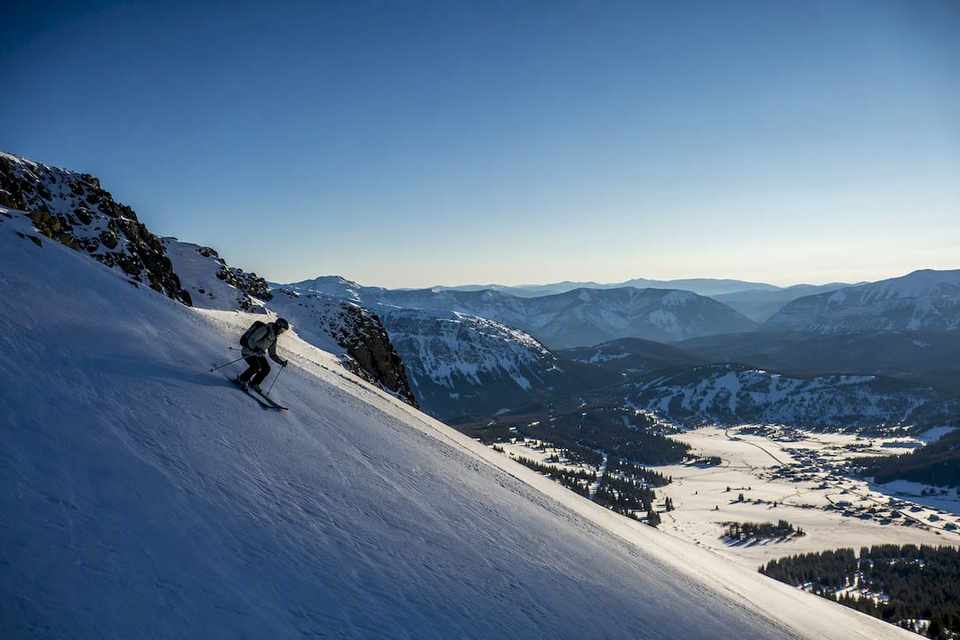
Mid-winter, specifically January and February, gives skiers the most reliable snow and terrain across nearly every major range. Early December, mid-January, and late March offer better value and thinner lift lines. If softer conditions and longer days matter more than depth, April at high-altitude resorts works well, and Southern Hemisphere skiers should aim for July and August. Bergme’s questionnaire helps match the right month to your specific priorities in minutes.
TL;DR:
- Skiing in January and February offers the most reliable snow and terrain across most major ranges, especially in the Northern Hemisphere.
- February provides the best snow conditions and powder, but it also tends to be the busiest month due to school breaks and holiday crowds.
- Visiting during early December or late March can help avoid peak crowds and rates, with conditions varying by altitude and resort location.
- The snowpack and season length heavily depend on resort elevation and aspect, making high-altitude or glacier resorts more suitable for late-season trips.
- Booking six to nine months in advance is ideal for peak weeks, while flexibility in dates can help avoid crowds and secure better deals on lodging and passes.
Table of Contents
- What Is the Best Time to Ski for Your Goals?
- Month-By-Month Guide: What to Expect From December Through April (and Beyond)
- How Altitude and Resort Type Change the Best Time to Visit
- When to Book to Avoid Crowds and Get the Best Deals
- Making the Most of Every Ski Day, Whatever the Month
- Why Generic Month Advice Only Gets You Halfway There
- Book a Mid-Winter Trip Without the Guesswork
- Sources
What Is the Best Time to Ski for Your Goals?
The right month depends less on the calendar and more on what you actually want out of the trip. A powder hound and a family with a six-year-old on skis for the first time should not be booking the same week, even at the same resort.
Here’s how the main travel goals line up with the calendar:
- Powder and deep snow: January and February in the Northern Hemisphere, or July and August south of the equator, when mid-winter snow reliability peaks across most ranges.
- Best value with good snow: Mid-January, when the holiday crowds thin out but the snowpack is already established.
- Families and beginners: Late March, when warmer temperatures and softer snow make falls less punishing and days are longer for lessons.
- Spring atmosphere and terrain park laps: April, especially at high-altitude resorts still holding a full base.
- Fewer crowds, flexible dates: Early December or the first two weeks of January, avoiding both Christmas week and February school breaks.
Holiday weeks scramble this math no matter what month you pick. Christmas through New Year’s and the mid-February school break windows (timing varies by country and district) can double lift lines and lodging rates even in an otherwise quiet month like January. If your dates are flexible, shifting a trip by even five days out of a holiday week often does more for your experience than switching months entirely.
Month-By-Month Guide: What to Expect From December Through April (and Beyond)
Snow conditions, crowd levels, and pricing shift enough within a single season that “ski season” isn’t really one thing. Here’s what each month typically delivers.
-
December. Opening weeks are unpredictable. Some resorts run full operations by Thanksgiving; others are still spinning limited lifts on manufactured snow into mid-month. The back half of December, Christmas through New Year’s, is one of the busiest and most expensive stretches of the entire season, with lift lines and lodging rates to match. The first two weeks, before the holiday rush, are a different story: quieter slopes, lower rates, and decent coverage if early storms cooperated.
-
January. This is where the season finds its footing. Coverage builds steadily, and January frequently delivers the best combination of snow quality and price because post-holiday demand drops off sharply while the snowpack keeps growing. Late January in particular tends to offer a strong snow-to-cost ratio, since prices dip noticeably right after New Year’s while storm systems keep feeding the mountains. Any holiday tied to a long weekend (Martin Luther King Jr. Day in the US, for example) will still bump crowds and rates for a few days, so plan around it if you can.
-
February. Statistically, this is when most regions see their most reliable snow and highest powder potential. It’s also the busiest month of the season for most resorts, driven by school break schedules that vary by country, state, and even school district. Families locked into those breaks will pay peak rates and fight for parking, but they’ll usually get the best snow of the year in return. If your schedule is flexible, the first two weeks of February, before most breaks kick in, thread the needle between good snow and manageable crowds.
-
March. The season shifts character here. Days get longer, temperatures climb above freezing during the afternoon, and snow transitions from cold and dry to the wetter, denser “corn snow” that spring skiers actually seek out. Mornings can still freeze solid overnight, then soften into forgiving, grippy snow by midday. This makes March one of the best months for beginners and families: falls hurt less, the atmosphere on the mountain relaxes, and late March tends to bring some of the best value of the entire season as crowds thin and prices soften while snow quality at higher elevations holds up.
-
April. This is late-season territory, and altitude decides almost everything. Resorts with a base above roughly 8,000 feet, or those with glacier terrain, can run full operations well into the month. Lower-elevation resorts, meanwhile, often lose lower runs to bare patches or slush by early April. Pricing drops considerably, and the vibe on the mountain turns social: think spring festivals, rooftop deck sessions, and terrain parks in full form. It’s a gamble on coverage, but a good one if you pick a resort with the elevation to back it up.
Southern Hemisphere (June through October). Ski areas in New Zealand, Chile, and Argentina run an entirely separate calendar, with June through October as the operating window and July and August as the reliable core, mirroring the Northern Hemisphere’s January and February. New Zealand’s South Island resorts depend heavily on cold southerly systems and can be wind-affected, while Chile’s Andean resorts and Argentina’s Patagonia region see more consistent snowpack in a typical August. Regional character matters everywhere: the Rockies tend toward light, dry powder thanks to continental cold; the Alps see heavier, wetter snow shaped by Atlantic moisture; Japan’s resorts, particularly in Hokkaido, get some of the most consistent and voluminous snowfall on Earth from Siberian cold fronts crossing the Sea of Japan; and the Southern Andes deliver a shorter, more storm-dependent season than either.
How Altitude and Resort Type Change the Best Time to Visit
Elevation rewrites the calendar. A resort’s base altitude and vertical drop determine how long snow actually sticks around, which means the “best month” answer changes completely depending on where you’re headed, not just when.
Higher-elevation resorts hold their terrain deeper into spring, while lower-elevation resorts lose runs faster once temperatures climb. A resort with a base around 5,000 feet might be down to muddy patches by late March. One with a base above 8,000 feet, or with glacier access, can still be skiing top to bottom in late April or beyond. Aspect matters too: north-facing slopes hold snow longer than south-facing ones because they get less direct sun exposure through the day, and glacier terrain or heavy snowmaking infrastructure can extend a season by weeks regardless of what the natural snowpack is doing.
Before locking in a late-season trip, run through a short checklist:
- Elevation band. Is the base above roughly 7,000 to 8,000 feet, where late-season coverage is more dependable?
- Guaranteed terrain. Does the resort commit to specific lifts or runs staying open through a set date, or is it weather-dependent?
- Snowmaking coverage. Are the lower runs backed by snowmaking, or purely reliant on natural snowfall?
- Typical closing date. What date did the resort actually close in each of the last few seasons, not just its posted target?
Pro Tip: Call the resort’s snow report line directly instead of trusting a generic “season dates” listing. Posted closing dates are targets; actual closures shift by weeks depending on how the winter played out, and a five-minute call beats guessing.
When to Book to Avoid Crowds and Get the Best Deals
Booking timing matters almost as much as travel timing. For high-demand weeks, the sweet spot is 6 to 9 months out, which for a January trip means booking as early as the previous spring. For most other trips, a 3 to 6 month window gives you solid availability without locking in too far ahead, and early December and April remain the cheapest stretches on both lodging and lift passes if your dates allow flexibility.
Flights and lift passes behave differently on the calendar. Airfare to ski destinations tends to spike hardest around Christmas and February break weeks, so booking those legs 6 to 9 months ahead protects you from the worst of the surge. Multi-day lift passes, by contrast, often get cheaper the earlier you buy them regardless of season, since resorts use early pricing to lock in cash flow before the season starts.
A few practical moves help you dodge the worst of the rush:
- Travel midweek instead of over a weekend; Tuesday through Thursday consistently sees the shortest lift lines.
- Avoid the two weeks bracketing Christmas and New Year’s, and the mid-February school break window in your region.
- Book lodging and lift passes separately if a bundled package doesn’t clearly beat the sum of its parts.
- If you’re flexible on both resort and dates, let availability drive the decision rather than forcing a specific week.
Making the Most of Every Ski Day, Whatever the Month
Timing your trip is only half the equation. Timing your day on the mountain matters just as much, and it changes with the season.
In spring, mornings are your friend for one reason and your enemy for another. Overnight refreeze can leave the top of the mountain icy and firm at 9 a.m., but by late morning that same snow softens into the corn conditions spring skiers chase. Get up top early for firm, fast groomers, then chase the sun as it softens snow through the day. In mid-winter, the opposite problem shows up: cold overnight temperatures can leave morning snow squeaky and stiff before it warms slightly and skis better by early afternoon.
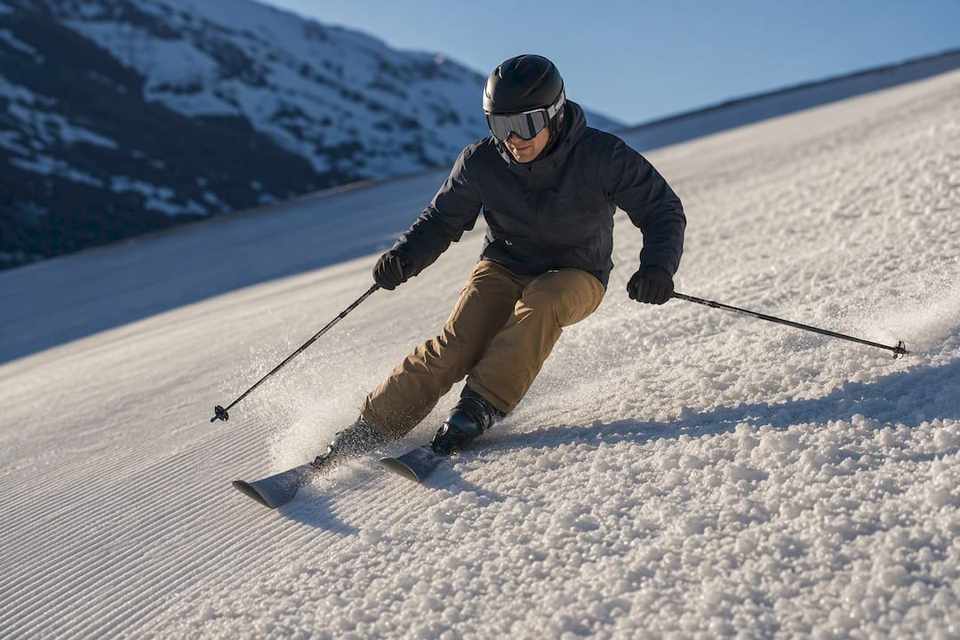
Pack accordingly. Mid-winter trips call for insulated layers, a solid shell, and hand warmers for lift rides. Spring trips need lighter layers you can shed by 11 a.m., sunscreen, and glacier-grade sunglasses for reflected glare off wet snow.
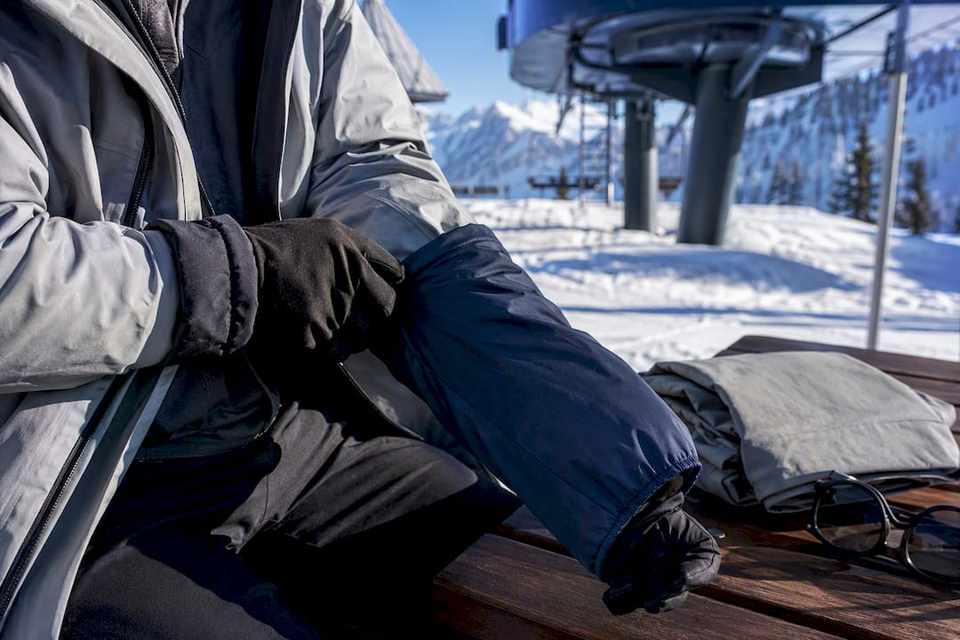
Before you head out, check the resort’s own snow report rather than relying on a general forecast; it reflects actual base depth and recent grooming, not just weather predictions. If you’re heading into backcountry or ungroomed terrain, check your region’s local avalanche bulletin, since conditions can vary sharply between adjacent slopes depending on wind loading and recent snowfall.
Why Generic Month Advice Only Gets You Halfway There
Most “best time to ski” advice stops at the calendar. It tells you January is reliable and March is mild, then leaves you to figure out which resort, at which altitude, fits your actual group. That’s the gap Bergme’s matching questionnaire is built to close. It asks about group size, rider skill and goals, altitude tolerance, and budget, then narrows the field to resorts and months that fit those specifics rather than a generic seasonal average.
A powder-focused solo skier willing to travel light gets steered toward January and February at a high-altitude, storm-exposed resort. A family with young beginners gets pointed toward late March at a lower-key, sun-soaked mountain with a gentle learning slope. Same season, entirely different answer, decided in minutes instead of a dozen browser tabs.
— Eduard
Book a Mid-Winter Trip Without the Guesswork
If January’s snow-to-value ratio has you leaning toward mid-winter, Bergme’s New Year Ski Holiday in Interlaken is a curated package built exactly for that window: Hotel Bären, a ski pass included, and a base in the Swiss Alps during one of the most snow-reliable stretches of the season.

Rather than cross-referencing a dozen resort sites to see what’s actually available for your dates, answer Bergme’s short questionnaire and get a shortlist matched to your group size, budget, and altitude preference, no account or email required. Compare that against the Interlaken package directly to see which fits your January plans better. If mid-winter dates don’t work for your schedule, the same questionnaire re-runs against spring or Southern Hemisphere options just as fast. Check availability for the New Year package here and lock in your dates before the peak-week rates climb further.