16 October 2026
Skiing Off Peak After May: Find High Altitude Snow for Less

Off-peak skiing means shoulder windows, late-season weeks and midweek days, when crowds thin and prices fall. The trade-off is snow that varies with altitude and glacier access. Midweek days at Palisades Tahoe show the pattern: fewer lift lines and lighter road traffic. High-altitude areas and glaciers keep the surface skiable longest.
TL;DR:
- Tuesday through Thursday is usually quietest, but Easter, Presidents’ Day, and regional school breaks can crowd otherwise calm weeks, so check nearby school calendars.
- For late trips, prioritize elevation and glacier access, then slopes that face north; confirm lifts and runs remain open because closing dates can reflect operations.
- Shoulder season can cost 20–40% less than peak, while late season can be 30–50% cheaper; compare lodging, tickets, and packages separately.
- Book shoulder season early to secure lower rates, but keep late season plans flexible because spring weather can change snow coverage and operating terrain quickly.
Table of Contents
- When does off-peak skiing happen, and which days are quietest?
- Where can you find quieter slopes outside peak season?
- How good is the snow off-peak, and what decides it?
- How much cheaper is off-peak skiing?
- What should you check before an off-peak trip?
- Who is behind this guide?
- What most off-peak advice gets wrong
- Find off-peak ski trips matched to you
- FAQ
- Sources
When does off-peak skiing happen, and which days are quietest?
Off-peak is a calendar decision as much as a destination one. For many North American resorts, December through March is peak demand, while April and November are calmer shoulder windows. From May onward, only glacier and high-altitude areas that remain open stay quiet and skiable.
Day of the week matters just as much as the month:
- Tuesday through Thursday is the quietest stretch. Midweek skiing at major resorts like Palisades Tahoe means fewer lift lines and lighter road traffic than weekends.
- Shoulder months (early and late season) sit between the holiday peaks and are often the best balance of snow and space.
- Late spring and summer windows exist only where glaciers or very high terrain stay open, so confirm operating dates before you book.
Watch for holidays that turn a quiet window busy. Crowd drivers include federal and school holidays, destination popularity, parking and access, and reservation systems. Easter, Presidents’ Day and regional school breaks can fill a resort in a week that would otherwise be calm. Check the school calendars of the nearest big cities before you lock in dates, because weekend traffic from a nearby metro area can spoil an otherwise quiet week.
Where can you find quieter slopes outside peak season?
Quiet is not random. Some resorts stay calm because of size, remoteness or reputation, and others because altitude lets them operate when the crowds have gone home.
- Lesser-known, mid-sized resorts. Rankings of the least crowded ski resorts point to Pyhä in Finland, Sainte-Foy-Tarentaise in France and Monterosa in Italy as places with minimal lift queues and a tranquil feel.
- Large interconnected areas. Big linked domains spread skiers across more terrain, and some also offer night skiing that eases daytime congestion.
- Glacier and high-altitude resorts. Les2Alpes, for example, runs a dedicated spring season on its glacier while lower areas close.
- Mid-sized or less famous areas. Profiles of Krippenstein, Leogang, Pra Loup and Zürs suggest that lesser-known resorts often deliver quiet slopes and good value.
One analysis found that quieter resorts can be identified by visits per kilometer of slope, and that many skiers avoid famous names except in early or late season.
If your route includes a long winter transfer, it helps to plan transport early. This month-by-month Iceland timing guide shows how seasonal conditions shape transfer planning, and the same thinking applies to remote mountain trips.
How good is the snow off-peak, and what decides it?
Snow quality in quieter seasons depends on factors such as altitude, snowmaking and slope orientation. Higher-altitude resorts handle warm spells far better than low-elevation areas, which makes them safer bets for spring travelers.
The surface depends on overnight freezing. North-facing slopes and higher terrain let snow set up at night instead of turning slushy or icy through repeated freeze-thaw cycles. That is why a high, shaded run can feel firm and fast early in the day while a sunny low one is already heavy.
Regional patterns help you narrow the search:
- Pacific Northwest: higher-altitude areas such as Mt. Bachelor and the Whistler alpine tend to operate later.
- US Rockies: A-Basin, Copper and Winter Park run late, and many Colorado and Utah resorts stay open into early May.
- European glaciers: as the 2025–2026 season wound down, many resorts closed while pockets of good snow remained at higher-altitude and glacier sites.
A simple rule of thumb: favor the highest top elevation you can afford, choose glacier access when dates run late, and prefer north-facing terrain.
Pro Tip: A resort’s closing date often reflects staffing and operations, not a total lack of snow, so ask which terrain stays open rather than assuming the season is over.
How much cheaper is off-peak skiing?
Savings are real but depend on timing. Travel guidance reports that shoulder-season prices can run 20–40% cheaper than peak, and late-season skiing is often 30–50% off peak, with last-minute deals on lift tickets and lodging.
Reported range: 20–40% below peak in shoulder season, 30–50% late season. Treat these as ranges, not guarantees, because resort, week and snow conditions all move the number.
Lodging, lift tickets and packages behave differently, so compare them separately:
- Lodging tends to drop first once holiday weeks pass, and many resorts discount after Easter.
- Lift tickets often fall late in the season, with last-minute offers appearing as closing day nears.
- Packages bundle both, which can simplify comparison but may hide which part carries the saving.
- Flexible versus nonrefundable rates: a nonrefundable rate is cheaper but risky when spring weather can change plans, so weigh the discount against your tolerance for change.
Book shoulder deals early to lock a rate, and keep late-season trips flexible so you can chase the best price.
What should you check before an off-peak trip?
Spring skiing is volatile. In 2026, record heat forced some resorts to bulldoze and relocate snow to keep key runs open, so preparation matters more than usual. Work through these steps in order:
- Confirm which lifts and pistes are open, and ask whether that terrain suits your level.
- Monitor short-term forecasts and resort updates closely in the days before departure.
- Plan travel for midweek, when lift lines and road traffic are lighter.
- Arrive early and aim for first chair, since early arrival at gondolas and non-base lifts cuts time in queues.
- Verify road and transfer options. If you land at a big hub, this Munich Airport to alpine resorts transfer guide covers arrival logistics.
- Pack layers for variable temperatures, from cold mornings to warm afternoons.
- Keep bookings flexible and shortlist a higher-altitude backup in case your first choice thins out.
Pro Tip: Ski firm snow early, then switch to softer runs or a long lunch as the afternoon warms, so you match the freeze-thaw cycle instead of fighting it.
Who is behind this guide?
We write this guide from an editorial seat, not a lab, and we built it from the published sources linked throughout. BergMe matches skiers to hand-picked ski trips through a personalized questionnaire, and it does not ask you to register or share an email. If you want tailored off-peak suggestions, try the questionnaire at Bergme.
What most off-peak advice gets wrong
The usual advice is to go late because it is cheap. Cheap is the easy part. The hard part is a destination that is still skiable when you arrive, and that comes down to altitude far more than to price.

So prioritize in this order: elevation and glacier access first, then slope aspect, then dates, and only then the deal. Many guides also overrate famous names and underrate mid-sized resorts, which often deliver quiet slopes at good value. And almost nobody stresses how fast spring changes, which is why a flexible booking and a backup option beat a perfect plan.
I would also resist the pull of the last possible weekend. Closing-day crowds and thin cover rarely reward the gamble, while a midweek visit earlier in the season usually delivers better snow, shorter lines and a calmer trip. Choose the window where snow, space and price overlap, not the one where any single factor peaks.
— Eduard
Find off-peak ski trips matched to you
Searching dozens of resorts for quiet dates, reliable snow and a fair price takes hours. We built a faster route.
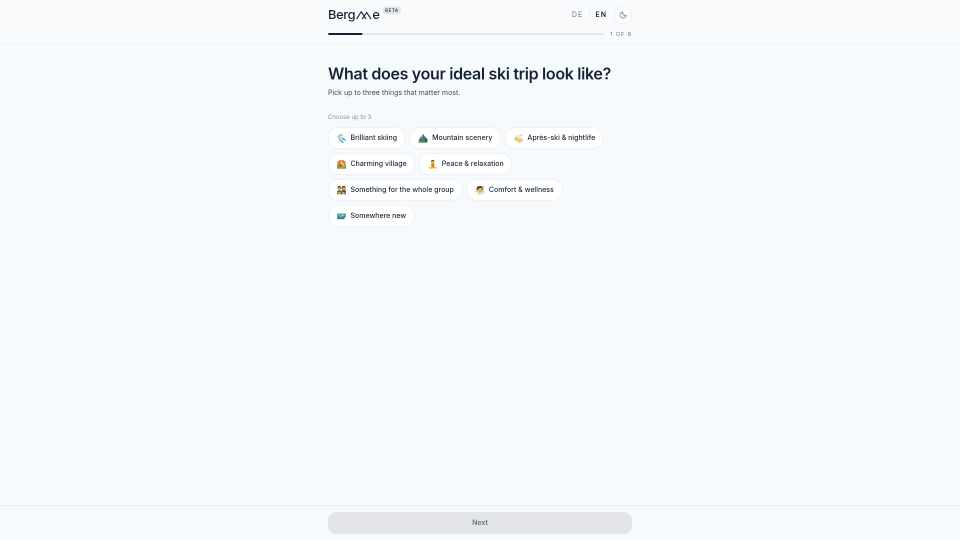
- Answer a short questionnaire about your style, group and preferences, with no registration needed.
- Get curated hand-picked ski trips matched to your preferences.
- Skip the endless comparison and go straight to options worth booking.
Start with the questionnaire and see which off-peak trips match you.
FAQ
Which ski resort is the least crowded?
Lesser-known, mid-sized areas tend to be quietest. Rankings of the least crowded ski resorts name Pyhä in Finland, Sainte-Foy-Tarentaise in France and Monterosa in Italy as examples with minimal lift queues.
What is the best day of the week to ski off-peak?
Tuesday through Thursday is usually the calmest. Midweek at major resorts such as Palisades Tahoe brings fewer lift lines and lighter road traffic than weekends and holiday periods.
How much can I save skiing off-peak?
Savings depend on timing and resort. Travel guidance reports shoulder-season prices 20–40% below peak and late-season skiing 30–50% below peak, with last-minute deals possible.
Is spring skiing reliable?
It can be, but it is volatile, and higher resorts are safer bets. Check forecasts and resort updates in the days before you go, since record heat in 2026 forced some resorts to relocate snow.