27 September 2026
Budget Ski Pass Cost, $50–$3,000, When Packages Cut the Bill

A single-day adult lift ticket typically runs $50 to $90 at smaller resorts and can exceed $200 at major destinations, according to OnTheSnow’s aggregated pricing data. Multi-day tickets lower the per-day rate through bundled pricing, while season passes span from under $500 for value-tier programs to several thousand dollars for major multi-resort passes. Prices shift by resort and by season, so figures should always be confirmed directly with the resort or pass provider before purchase.
TL;DR:
- Single-day ski tickets cost between $50 and $90 at smaller resorts, and can exceed $200 at large destination resorts during peak times.
- Multi-day passes reduce the per-day cost, with five-day bundles often lower than buying five individual tickets, while season passes range from under $500 to over $3,000 depending on access and timing.
- Buying early during launch or early-bird periods offers the best discounts, as prices typically rise closer to the season start.
- Resort size, holiday surcharges, regional currency, and age categories significantly influence ticket prices even within the same region.
- Additional costs such as gear rental, resort fees, taxes, parking, and lessons can increase total expenses beyond the ticket or pass price.
Table of Contents
- Average costs and sample price ranges by pass type
- Common pass types and how they compare for cost and use cases
- What drives ski pass prices and regional differences
- How to buy and save: timing, bundles, memberships, and common discounts
- Total cost considerations beyond the lift ticket price
- Cancellation and refund policies affecting cost planning
- Publisher perspective: what pricing data alone won’t tell you
- Compare packaged trip costs with BergMe
- Where to confirm current pass and ticket prices
- Sources
- FAQ
Average costs and sample price ranges by pass type
Ski pass pricing splits into clear tiers, and knowing where a resort or program sits helps set realistic expectations before checking a specific listing.
- Single-day tickets, low tier: roughly $50 to $90, common at smaller regional hills and off-peak weekday rates according to state-level lift ticket listings.
- Single-day tickets, mid tier: roughly $100 to $160, typical of established destination resorts on standard days.
- Single-day tickets, high tier: $200 or more, seen at large-scale resorts during peak weekends and holiday windows.
- Multi-day tickets: the per-day rate drops as days are added. A five-day bundle priced in the mid-hundreds, for example, works out to a per-day cost noticeably below buying five separate single-day tickets.
- Season passes: value-tier passes often land under $500, while major unlimited multi-resort passes commonly fall between $1,000 and $3,000 or more, depending on access level and purchase timing.
Early-bird launch pricing matters here. The 2026-27 Epic Pass launch started adult pricing at $1,089, with additional discounts listed for local and Gen Z buyers during the initial sale window. Prices on major passes typically climb as the season approaches, which is a pattern worth building into any budget timeline. Every figure above is resort- or program-sourced and subject to change, so the listed price on the resort’s own site remains the final word.
Common pass types and how they compare for cost and use cases
Choosing between a single-day ticket, a multi-day bundle, and a season pass comes down to how often someone plans to ski and where.
- Single-day tickets suit occasional skiers taking one or two trips a season; they cost the most per day but require no upfront commitment.
- Multi-day tickets fit travelers booking a weeklong trip, since the per-day cost drops with each added day and the purchase can often be bundled with lodging.
- Season passes make sense for skiers who expect to visit a resort or its partner network repeatedly across a winter, and the break-even point is a useful gut check: dividing a season pass price by a resort’s typical single-day rate shows roughly how many visits are needed before the pass pays for itself.
- Tiered multi-resort passes bundle access into full, local, or limited-day versions, and cost varies widely by tier because a full unrestricted pass includes far more resorts than a local or day-capped version.
Pricing behavior also differs by timing. Early-bird windows, usually open months before the season starts, offer the lowest prices on season passes, while on-season purchases (buying after lifts are already spinning) carry the highest cost and the least flexibility. This pattern holds across most major pass programs, though exact dates and discount tiers vary by provider and should be checked directly.
What drives ski pass prices and regional differences
Several concrete factors explain why two resorts, even in the same region, can post very different prices for what looks like the same product.
- Resort size and lift network: larger resorts with more lifts, terrain, and amenities generally charge more per day than smaller regional hills.
- Peak dates and holiday surcharges: many resorts use dynamic pricing that raises single-day rates around holidays and weekends.
- Age categories: child, youth, adult, and senior pricing tiers can shift the per-person cost of a family trip substantially.
- Geography and currency: Alps-based resorts price in euros or Swiss francs while North American resorts price in US or Canadian dollars, and neither currency nor regional cost structure translates directly to the other.
Resort-sourced listings show single-day prices ranging from roughly $50 to well over $200 across U.S. resorts alone, according to OnTheSnow’s lift ticket data. That spread on its own justifies checking a specific resort’s current rate rather than relying on a regional average, since state-level pages explicitly note that prices are dynamic and resort-reported.
How to buy and save: timing, bundles, memberships, and common discounts
Buying early is the single most consistent way to lower a ski pass bill. Major pass programs release early-bird pricing months ahead of the season, and rates tend to climb as inventory sells and the season gets closer.
- Buy during launch windows: early-bird pricing on programs like Epic Pass offers the lowest rate of the year, often with added discounts for specific age groups.
- Use multi-day and lodging bundles: pairing a multi-day ticket with a hotel stay usually lowers the effective per-day lift cost compared to buying each piece separately.
- Check group and family rates: many resorts discount tickets for groups or offer family-tier pricing that reduces the per-person cost.
- Look into membership and warehouse deals: some retailers and membership clubs occasionally offer discounted lift ticket vouchers, though availability varies by season and region and should be confirmed before counting on it.
A season pass is not always the better deal. Someone skiing only two or three days a year will likely spend less on single-day or multi-day tickets than on an unlimited season pass, even at the value tier.
Pro Tip: Add up the cost of a single-day ticket for your typical number of ski days before comparing it against a season pass price, since the break-even point is usually lower than expected.
Total cost considerations beyond the lift ticket price
The listed lift ticket or pass price is rarely the full cost of a ski day. Many resorts add resort fees or local taxes at checkout, which can raise the final price above the advertised rate, so checking the total at purchase rather than the headline number matters.
Equipment rental is another line item that catches first-time and infrequent skiers off guard. Renting skis, boots, and poles for a day typically adds a separate charge on top of the lift ticket, and multi-day rentals usually offer a lower per-day rate similar to multi-day lift tickets. Bundled packages that combine a lift ticket with rental gear can simplify this, though the combined price should still be compared against booking each piece separately to confirm it is actually cheaper.

Parking, on-mountain lockers, and lessons (covered separately from pure lift access) round out the total spend for a ski day. None of these extras are consistently priced across resorts, so building a small buffer into a ski trip budget beyond the ticket or pass price itself is a reasonable planning habit. Checking a resort’s own fee schedule before travel remains the most reliable way to avoid a surprise at the ticket window or rental counter.
Cancellation and refund policies affecting cost planning
Refund and cancellation terms differ sharply between single-day tickets, multi-day bundles, and season passes, and they directly affect how much financial risk a buyer takes on. Single-day tickets are typically the least flexible: many resorts sell them as final-sale once the date is locked in, particularly for advance online purchases at a discount.
Season passes usually carry more structured policies, often tied to a specific purchase window or an insurance add-on that covers injury, relocation, or other qualifying circumstances. These policies vary by pass program and resort, and the terms attached to an early-bird price are not always identical to the terms attached to a later, higher-priced purchase.
Because cancellation terms shift by provider and by purchase date, reading the specific refund policy at the time of purchase is the only reliable way to know what is recoverable if plans change. This is worth factoring into the timing decision covered earlier: a slightly higher price with flexible cancellation terms can be the better financial choice for anyone booking far ahead of an uncertain travel date.

Publisher perspective: what pricing data alone won’t tell you
Price ranges and break-even math answer the budgeting question but not the harder one: which resort actually fits a given skier or group. A family with young children and a pair of experienced backcountry skiers should not be shopping the same pass, even at an identical price point, because terrain, crowd levels, and amenities matter as much as the sticker price.
BergMe approaches this from the matching side rather than the pricing side. Its questionnaire weighs individual skiing style, group dynamics, and preferences to surface specific trip recommendations, without requiring registration or an email address, according to BergMe. For travelers who have already worked out their budget band using the ranges above, that kind of matching narrows a long list of resorts down to a short one worth pricing out in detail.
— Eduard
Compare packaged trip costs with BergMe
Piecing together a lift pass, lodging, and rentals separately takes time, and prices on each piece move independently of the others. BergMe’s questionnaire builds a tailored shortlist of ski trips in minutes, drawing on curated, competitively priced packages aimed at skiers, families, and travel groups during peak seasons, according to BergMe.
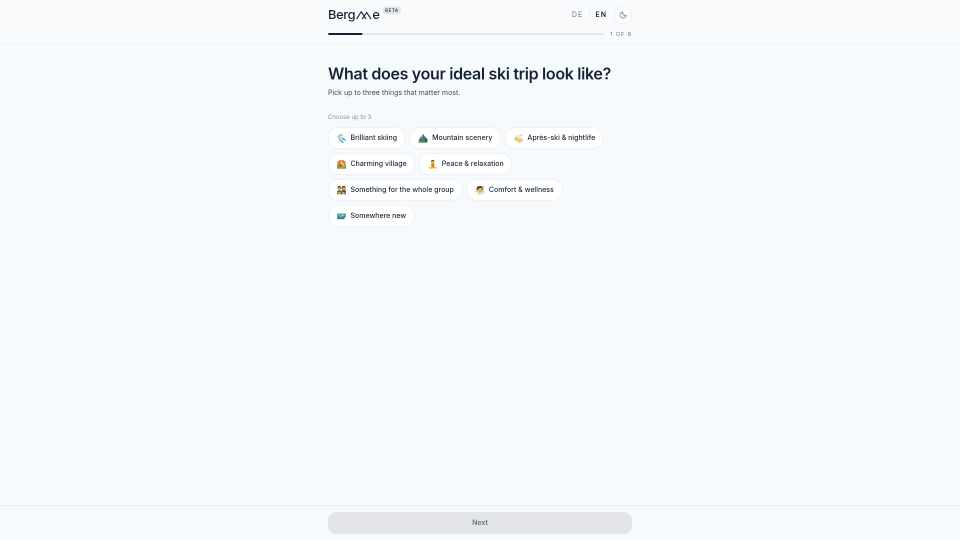
- Answer a short set of questions on BergMe’s questionnaire to get matched trip options.
- Review a sample package, such as the New Year ski holiday in Interlaken with Hotel Bären, to see how lodging and pass estimates are presented together.
- Compare any package estimate against the resort’s own direct pricing before finalizing a booking, since resort rates can shift after a package is quoted.
Start with the BergMe questionnaire to see curated options matched to your budget and skiing style.
Where to confirm current pass and ticket prices
For live figures, check the resort’s own site or the relevant pass program page directly, since prices change through the season. Aggregator pages like OnTheSnow’s U.S. lift ticket listings and the Epic Pass 2026-27 resort guide are useful starting points, but the resort remains the final authority on its own rates.
Sources
FAQ
What is the average cost of a ski pass?
Single-day tickets typically range from $50 to $90 at smaller resorts and can exceed $200 at major destinations, according to OnTheSnow’s pricing data. Season passes range from under $500 for value-tier programs to several thousand dollars for major multi-resort passes, depending on access level and purchase timing.
What is the new ski pass under $400?
Pricing for value-tier season passes changes by program and by season, so a specific pass price should be confirmed on the provider’s own site rather than assumed from a general price range. Value-tier passes generally sit below the $500 mark noted in resort-sourced pricing lists, but exact current pricing depends on the specific program and purchase window.
Does Costco have discounted ski tickets?
Warehouse clubs sometimes offer discounted lift ticket vouchers or partner deals, but availability varies by region, retailer, and season. Anyone counting on this kind of discount should verify current availability directly with the retailer before assuming it applies to a specific resort or date.
What is the price of a ski pass in the USA?
U.S. resort prices vary widely: single-day tickets range from roughly $50 at smaller areas to over $200 at major resorts, based on aggregated U.S. lift ticket pricing. Season passes range from a few hundred dollars for local or value-tier options up to $1,000 to $3,000 or more for major multi-resort passes like the 2026-27 Epic Pass, which launched adult pricing at $1,089.