29 August 2026
Ski Travel Insurance: Match BergMe Trips to $100K/$250K Limits
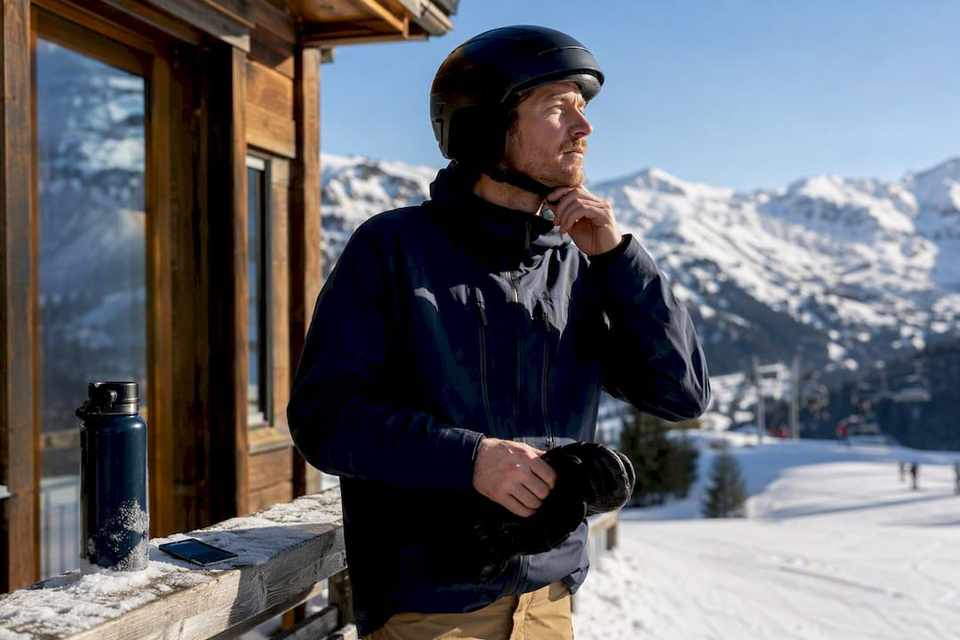
Yes, most skiers heading to an international or remote resort need dedicated ski travel insurance, not a generic travel policy. The single most important step is confirming the plan explicitly covers winter sports and carries strong emergency medical and evacuation limits, ideally at least $100,000 in medical coverage and $250,000 for evacuation. Add equipment protection and trip cancellation on top of that, and most of the real financial risk is covered.
TL;DR:
- Coverage limits for medical treatment should be at least $100,000, and evacuation coverage should reach a minimum of $250,000, especially for remote or backcountry trips.
- Ski-specific insurance is crucial for international, backcountry, off-piste, or multi-resort trips to cover higher injury risks and rescue costs ignored by standard policies.
- Trip costs, destination, traveler age, and activity level significantly influence insurance premiums, with backcountry and off-piste coverage adding to the price.
- Comparing policies should prioritize the activity definition, medical and evacuation limits, and whether coverage is primary, rather than focusing solely on price or extra features.
- Buying insurance immediately after booking activates cancellation protection, with key details needed including trip dates, destination, trip cost, and pre-existing conditions.
Table of Contents
- What Is Ski Travel Insurance and How Is It Different?
- What Coverage Components Actually Matter?
- How Much Does Ski Travel Insurance Cost?
- How Do You Choose and Buy the Right Policy?
- When Should You Buy, and What Information Do You Need?
- How BergMe Thinks About Insurance When Matching Trips
- Do Instructors, Guides, and Rented Equipment Need Separate Coverage?
- What the Data Actually Tells You to Prioritize
- Planning the Trip Alongside the Insurance
- Where to Verify Coverage Rules Before You Buy
- Sources
What Is Ski Travel Insurance and How Is It Different?
Ski travel insurance, also called winter sports coverage or snow sports insurance, is a policy or add-on built specifically to cover injuries and losses tied to skiing and snowboarding. Standard travel insurance frequently treats skiing as an excluded “hazardous activity,” which means a torn ACL on a blue run could go entirely unpaid unless you added the right rider.
That gap exists because skiing carries a measurably higher injury profile than typical vacation activities. The National Ski Areas Association’s catastrophic injury data documents real, ongoing search-and-rescue and evacuation cases tied to the sport, which is exactly why insurers price winter sports as a distinct risk category rather than folding it into general trip protection.
A few situations make ski-specific coverage close to essential rather than optional:
- International trips, where you’re outside your home country’s health system and may face upfront payment demands at foreign hospitals
- Remote or backcountry-adjacent resorts, where mountain rescue and helicopter transport are genuine possibilities, not hypotheticals
- Off-piste or higher-risk terrain, which many standard policies exclude even when they cover groomed-run skiing
- Multi-day or multi-resort itineraries, where prepaid lift passes, lessons, and lodging create real cancellation exposure
If you’re skiing domestically at a resort with strong medical infrastructure and no prepaid extras at risk, the calculation shifts. For anyone crossing a border or heading somewhere with limited road access to a hospital, Squaremouth’s guidance on winter sports policies makes clear that standard travel plans typically exclude the exact injuries skiing produces.
What Coverage Components Actually Matter?
A ski policy is really five smaller policies stitched together. Skip one and you’ve left a hole exactly where skiing tends to cause damage.
- Emergency medical coverage: pays for treatment after an injury; aim for a minimum of $100,000, since fractures, concussions, and orthopedic surgery abroad add up fast
- Emergency evacuation and medevac: covers helicopter rescue and transport to an appropriate facility; look for at least $250,000, since CDC travel guidance notes medevac can exceed $100,000 in remote cases
- Trip cancellation and interruption: reimburses prepaid airfare, lodging, lift passes, and lessons if illness, injury, or another covered reason forces you to cancel or cut the trip short
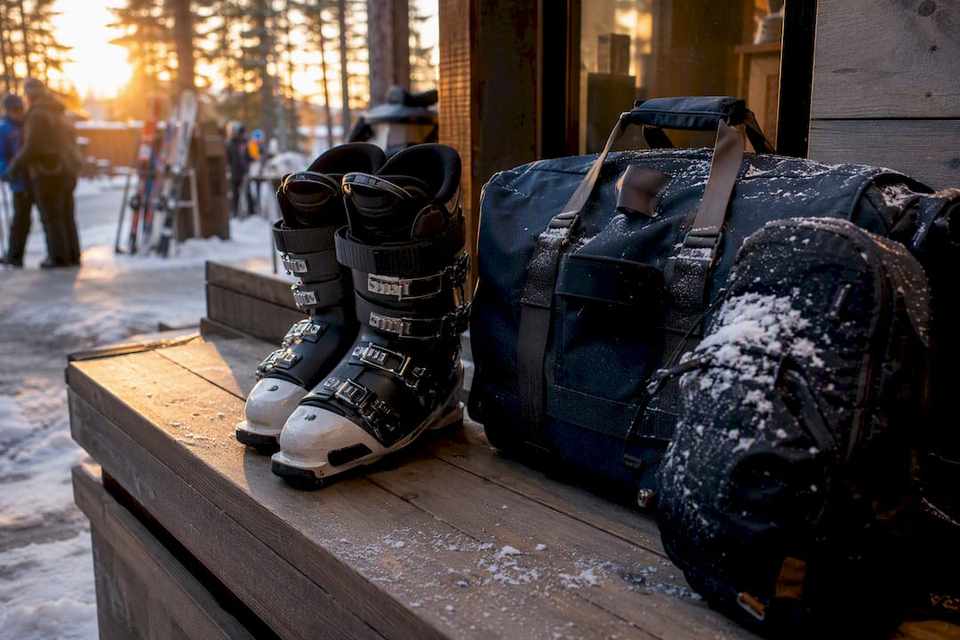
- Equipment coverage: replaces or repairs skis, boots, and boards that are lost, stolen, or damaged in transit, with different terms for owned versus rented gear
- Piste closure and search and rescue: pays out or reimburses costs when resorts close runs due to weather or avalanche risk, or when a search-and-rescue operation is required
Pro Tip: Check whether evacuation coverage is “primary” or requires you to pay upfront and file for reimbursement later. Payment-on-behalf language, sometimes called direct settlement, matters enormously when a foreign hospital wants cash before treatment.
Travel delay and baggage delay riders deserve a look too. Winter storms ground more flights than summer weather does, and a baggage delay that strands your boots for two days of a five-day trip is a real loss worth insuring against.
How Much Does Ski Travel Insurance Cost?
Ski and winter-sports insurance runs around $275 per trip on average, or roughly $20 to $30 per day, according to Squaremouth’s marketplace data. That figure moves substantially based on a handful of variables.
- Total trip cost: cancellation coverage is priced as a percentage of what you’re insuring, so a $6,000 heli-skiing week costs more to protect than a $1,500 weekend
- Destination: trips to the United States often carry higher premiums because U.S. medical costs run higher than in most other countries
- Traveler age: older travelers typically pay more, reflecting higher claims frequency
- Pre-existing conditions: disclosed conditions can raise premiums or require a specific waiver
- Activity type: backcountry and off-piste add-ons cost more than groomed-run-only coverage
If your goal is purely medical protection rather than trip cost protection, a travel medical-only plan can undercut a full ski package, though you’ll give up cancellation and equipment coverage entirely. Buying early, raising your deductible, and comparing quotes across at least three providers are the most reliable ways to trim cost without gutting the coverage that matters.
How Do You Choose and Buy the Right Policy?
Comparing ski insurance quickly comes down to reading the fine print in a specific order rather than shopping on price alone.
- Confirm the activity definition first. Some policies cover “skiing” but exclude off-piste, freestyle, or backcountry terrain entirely, so match the wording to what you’ll actually do.
- Compare medical and evacuation limits side by side, not just the headline price, since a cheap policy with a $20,000 evacuation cap is a bad trade against a mountain rescue bill.
- Check whether medical coverage is primary or secondary. Primary coverage pays first; secondary coverage requires you to bill your regular insurer first, which slows things down when you need cash fast.
- Verify what counts as covered gear. Ask specifically whether rented equipment, lift passes, and lessons are reimbursed, since these are common gaps even in “comprehensive” plans.
- Ask how pre-existing conditions are handled and whether a waiver requires purchase within a specific window after booking.
- Read the claims process before you buy, not after, so you know what documentation you’ll need if something goes wrong.
Watch for red flags: vague activity definitions, no evacuation limit listed at all, unusually high or unclear deductibles, and complaint patterns about slow claims handling. Comparison sites like Comparethemarket winter sports comparison are useful for scanning multiple quotes quickly, while buying direct from insurers such as Allianz, Travel Guard, or Staysure can simplify things if you already know exactly what you need.
When Should You Buy, and What Information Do You Need?
Buy your policy as soon as you book the trip. Purchasing early is what activates cancellation protection for anything that happens between booking and departure, a point InsureandGo’s winter sports guidance makes clearly.
Getting an accurate quote takes a short list of details:
- Ages of everyone traveling
- Exact trip dates and destination
- Total prepaid trip cost, including lift passes and lessons
- Any pre-existing medical conditions to disclose
- Whether you’re bringing your own gear or renting
Keep receipts, medical reports, and police reports (for theft or accidents) throughout the trip. Claims move faster when documentation is organized from day one rather than reconstructed after the fact.
How BergMe Thinks About Insurance When Matching Trips
Bergme’s trip-matching questionnaire already factors in variables that affect insurance decisions, even though Bergme doesn’t sell policies itself. Resort difficulty, proximity to medical facilities, and altitude all shape which destinations suit a given group’s risk tolerance.
Gear decisions matter here too. A family renting equipment at the resort needs different coverage than a group bringing their own skis, since rental gear is typically covered under the resort’s liability terms while owned equipment depends entirely on your own policy. A curated package like the New Year Ski Holiday in Interlaken illustrates how bundled lift passes and lodging make it easier to calculate exactly what a cancellation policy needs to protect.
Do Instructors, Guides, and Rented Equipment Need Separate Coverage?
Ski instructors and mountain guides typically carry their own professional liability insurance through their employer or certifying body, so travelers generally don’t need to insure them directly. What travelers do need to check is whether their own policy covers injuries sustained during a lesson, since some insurers treat “guided” or “instructional” skiing differently from recreational skiing in the fine print.
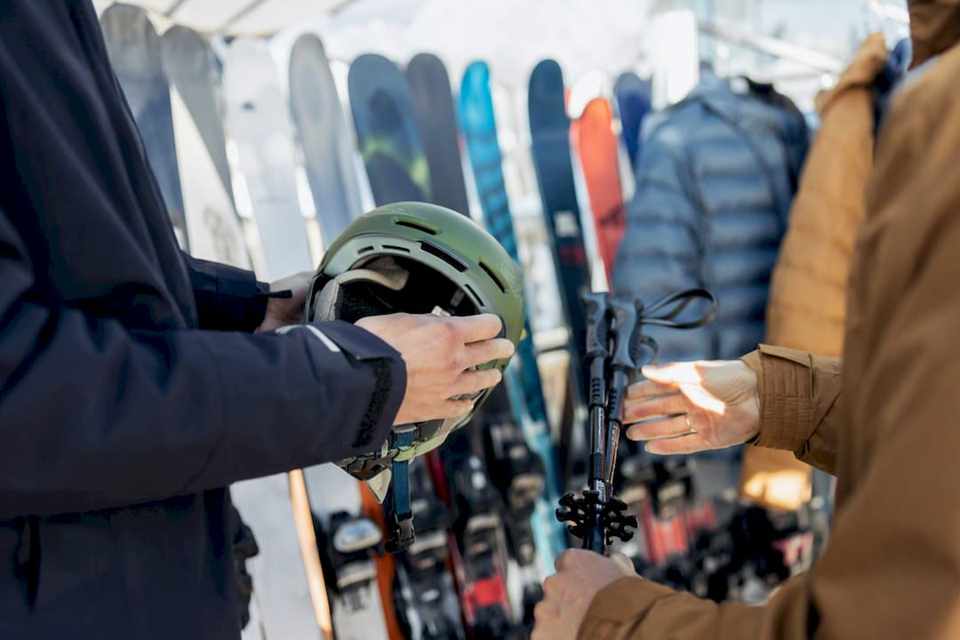
Rented equipment is the more common gap. Ski shops and resorts often carry limited liability for damage or theft of their own gear, but that coverage rarely extends to reimbursing you for a ruined vacation if the damaged skis force you off the mountain for the rest of the trip. A ski travel insurance policy with equipment coverage typically reimburses rental costs incurred due to delayed or lost luggage, and covers damage to gear you own outright, but the two categories are not interchangeable.
If you’re taking a multi-day lesson package or hiring a private guide for backcountry access, ask explicitly whether that activity falls under your policy’s definition of “instructional skiing” versus “guided off-piste,” since insurers can and do draw a hard line between the two. The safest approach is disclosing the exact nature of planned lessons or guided routes at the time of purchase, not after a claim is filed.
What the Data Actually Tells You to Prioritize
Most guides on this topic bury the two numbers that matter most, medical and evacuation limits, under a wall of add-on options that sound impressive but rarely get used. The research is consistent on one point: catastrophic injury and remote rescue are the scenarios that bankrupt an uninsured skier, not lost luggage or a delayed flight.
Conventional advice tends to treat all coverage types as equally urgent, which leads shoppers to compare policies on price and total feature count instead of on the two limits that actually determine financial exposure. A policy with generous cancellation terms and a $50,000 evacuation cap is a worse deal than a bare-bones plan with $250,000 in evacuation coverage, even if the second one costs less.
Prioritize medical and evacuation limits first, confirm the activity definition covers what you’ll actually ski, and treat equipment and cancellation coverage as secondary. Everything else on a policy comparison chart is negotiable. Those two numbers are not.
— Eduard
Planning the Trip Alongside the Insurance
Travel Guard, Comparethemarket, Allianz, Squaremouth, InsureandGo, Staysure, World Nomads, and Global Rescue all sell policies, but none of them help you decide where to ski in the first place. That’s where Bergme comes in, as a trip-matching service rather than an insurer.

Bergme’s questionnaire takes a few minutes and returns curated ski packages based on your group’s skill level, budget, and destination preferences, with no registration or email required to see results. Once you know where you’re headed and what’s included, like lift passes and lodging bundled into a package, quoting insurance becomes far more precise, since you already have exact trip costs and dates in hand. The New Year Ski Holiday in Interlaken package, which bundles a hotel stay with a ski pass, is a good example of the kind of pre-packaged trip that makes insurance shopping simpler because the total prepaid cost is already defined. Browse Bergme’s curated packages first, then take those exact dates and costs to your insurance comparison of choice.
Where to Verify Coverage Rules Before You Buy
Check the U.S. State Department’s travel advisories for your destination, and confirm whether a GHIC or similar card supplements, rather than replaces, your private policy.
This article is general information, not a substitute for advice from a qualified financial advisor. Consult a qualified financial professional about your own circumstances before acting on anything here.
Sources
- Snowboarding & Ski travel insurance: Plans & Prices — Squaremouth
- Insurance — Centers for Disease Control and Prevention (CDC)
- Apply for a free UK Global Health Insurance Card (GHIC) — NHS
- Catastrophic injury fact sheet — National Ski Areas Association (NSAA) 2025