15 September 2026
From $470 to $4,000: 2026 Ski Trip Costs for Families + Sample Budgets
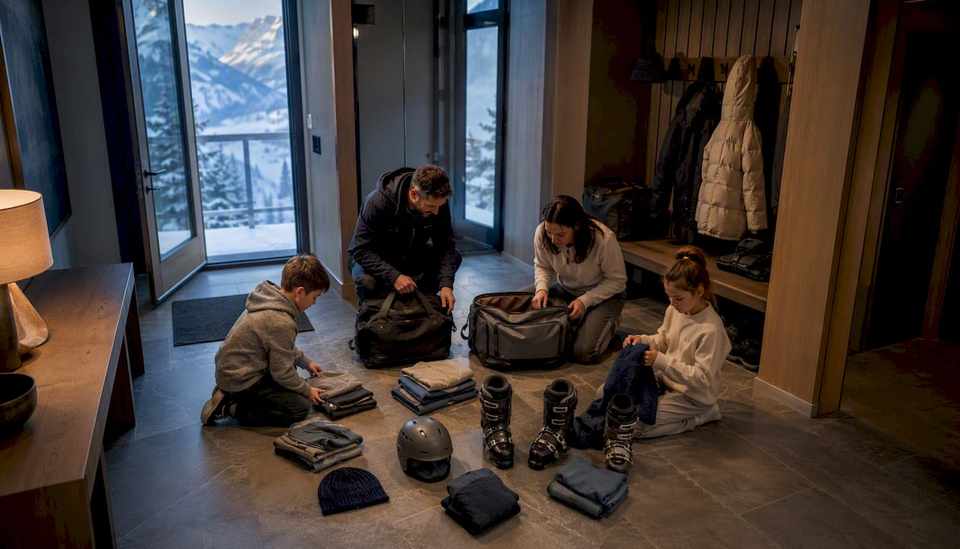
A local long weekend runs about $450 to $700 per person, a five-day North American destination trip lands between $1,400 and $3,000, and a full week in the Alps or Japan spans $1,000 to $4,000 depending on region. Trip timing moves the total more than any other single choice: buying lift access in advance and traveling midweek or shoulder season routinely saves hundreds of dollars per person. For families, double occupancy on lodging cuts the per-person total significantly, since a hotel room or condo costs the same whether one person or four are splitting it.
TL;DR:
- Buying lift tickets in advance or as part of a season pass can reduce costs by up to 40% compared to walk-up prices at major resorts.
- Staying in town or sharing accommodations among multiple families significantly cuts lodging expenses, which is often the largest line item.
- Regional differences heavily impact total trip costs, with Eastern Europe starting around €750 and premium resorts exceeding €4,000 per week.
- Renting gear and booking midweek or shoulder-season trips can save hundreds of dollars, especially on flights and lodging.
- Travel insurance, equipment damage coverage, and unexpected expenses require careful budgeting to avoid large last-minute costs.
Table of Contents
- How Much Does a Ski Trip Cost by Trip Shape?
- What Do Lift Tickets, Lodging, Gear, and Food Actually Cost?
- Does the Region You Choose Change Your Ski Trip Cost?
- What Are the Four Biggest Levers That Cut Ski Trip Costs?
- What Does a Sample Ski Trip Budget Look Like?
- Why Trust This Ski Trip Cost Guide?
- How Should You Budget for Ski Lessons and Guides?
- How Do You Budget for Unexpected Ski Trip Expenses?
- What Should You Know About Ski Trip Insurance Costs?
- A Practical Take on Ski Trip Budgeting
- Find a Ski Package That Actually Fits Your Budget
- Where to Check Live Ski Pricing
- Sources
- FAQ
How Much Does a Ski Trip Cost by Trip Shape?
The trip shape you pick determines your budget more than almost anything else you’ll decide. A weekend at the local hill, a midweek destination trip, and a full week abroad occupy three different cost tiers, and mixing up the assumptions behind each one is the fastest way to blow a budget.
Local long weekend (2 to 3 days, drive-to hill): costs several hundred dollars per person, assuming you own your gear, drive rather than fly, and stay near the mountain. The lower cost applies to skiers with a season pass; higher costs include lodging, equipment rental, and lessons.
5-day destination trip in North America (fly in): $1,400 to $3,000 per person. At $250 to $400 per person per day once lift tickets, lodging, food, and transportation are combined, a five-day trip for someone who already owns gear lands between $1,500 and $2,000. Add flights, rental equipment, and a couple of lessons, and the total climbs toward $3,000.
7-day week in the Alps or Japan (fly in): $1,000 to $4,000+ per person. The wide range reflects region as much as trip length. A budget week in Eastern Europe sits at the low end; a premium week in Switzerland or a peak-season stretch in Japan sits at the high end.
What pushes any of these toward the ceiling:
- Renting gear instead of owning it (adds $40 to $125 per day)
- Booking during a school holiday or peak week instead of shoulder season
- Choosing slopeside lodging over a short drive or shuttle from town
- Adding daily group lessons, which typically run $150 to $250 per session
- Flying instead of driving, especially on short notice
Per-day statistic: At a U.S. destination resort, expect to spend $250 to $400 per person per day once you’ve owned your gear and tallied lift access, food, and lodging. That range assumes moderate lodging and no daily rentals. Add equipment rental and lessons, and a single ski day can easily top $500 per person.
What Do Lift Tickets, Lodging, Gear, and Food Actually Cost?
Building a realistic ski trip budget means pricing out each line item separately, because the gap between the cheapest and most expensive version of each expense is enormous.
Lift tickets
Walk-up window prices are the most expensive way to ski. Average peak-day lift tickets at major resorts run around $214 for the 2025-26 season, but that figure hides a wide spread. Buying tickets online in advance or in multi-day packs can cut the cost by up to 40% at some large North American resorts compared to walking up on the day.
Season passes change the math entirely. Epic Local runs $695 and Ikon Base runs $719, and both break even against day tickets somewhere between four and six ski days depending on the resort mix. Anyone skiing more than a week per season across multiple trips should run the break-even math before buying single-day tickets.
Overseas resorts price similarly but on their own scales. Niseko United’s 2026-27 pass chart lists a peak-season one-day adult pass at ¥13,500 and a four-day pass at ¥52,500, with separate pricing blocks for peak, regular, early, and spring seasons. Check a resort’s own published chart before assuming a flat daily rate, since multi-day pricing often drops sharply outside peak dates.
Lodging
- Budget: $80 to $150 per night for a shared condo or basic motel in town
- Mid-range: $200 to $400 per night for a hotel or condo within a short shuttle ride of the lifts
- Premium: $450 to $900+ per night for true slopeside ski-in/ski-out property
Equipment rental or ownership
Renting at the resort is the most convenient and most expensive option. Renting in town, a mile or two from the lifts, usually saves 20% to 30% off resort-counter prices. Average daily ski rentals run $55 to $75, and a full week of rentals can approach the cost of buying entry-level gear outright. Frequent skiers often find a seasonal lease, offered by many ski shops, cheaper than renting more than five or six times a season.
Transportation
- Driving: gas plus parking, often $10 to $40 per day at resort lots
- Flying: flight cost plus airport transfer or rental car, typically $150 to $500 round trip depending on distance and season
- Rental car vs. shuttle: a rental car adds flexibility but also parking fees; a shuttle or resort shuttle bus is usually cheaper for a single-hotel trip
Food and extras
On-mountain dining runs $20 to $35 per person for lunch at most resorts. Self-catering breakfast and some dinners in a condo can cut daily food costs by half compared to eating out for every meal. Budget a buffer of $50 to $100 per trip for small extras like ski tuning, valet parking, or childcare, since these add up quickly and rarely appear in an initial estimate.
Does the Region You Choose Change Your Ski Trip Cost?
Destination is the single largest cost multiplier in ski travel. A week’s skiing can run anywhere from $1,000 to well over $4,000 per person, and which end of that range you land on depends almost entirely on where you go.
Eastern Europe (budget tier): roughly €750 to €1,100 for a week, covering lift, lodging, rentals, lessons, food, and transfers. Bansko in Bulgaria is a common example, with day passes around $45, letting many travelers cover a full week, including flights, for under $2,000.
Mid-range Alps: roughly €1,400 to €2,200 per week. This tier covers most mainstream French and Austrian resorts with moderate lodging and standard lift pricing, not the marquee Swiss or French names that command premium rates.
Premium Switzerland, France, North America, or Japan: €3,000 to €5,000+ per week, or well past $4,000 per person in USD terms at top North American and Japanese destination resorts. Niseko during peak season sits firmly in this bracket once lodging and dining are added to the lift pass cost.
A few factors compound the regional gap:
- Currency exchange and card fees add a few percent to every purchase abroad
- Airport transfer costs vary widely; a resort two hours from the nearest budget airport costs more in transfer fees than one served directly
- Peak-date blocks on resort pass charts, like Niseko’s seasonal pricing structure, can shift a multi-day pass price by 20% or more depending on when you travel
Always check a resort’s own published pass chart before booking, since blanket regional averages can be off by hundreds of dollars once your specific travel dates hit a peak pricing block.
What Are the Four Biggest Levers That Cut Ski Trip Costs?
Four decisions determine most of the swing between a budget ski trip and an expensive one. Get these right and everything else is a rounding error.
- Lift pricing strategy. Buying tickets in advance, in multi-day packs, or via a season pass instead of walking up to the window is the single biggest lever on lift costs, capable of cutting that line item by up to 40% at large resorts.
- Timing. Skiing midweek or during shoulder season instead of a peak holiday week can shrink lodging, lift, and even flight costs by a third compared to the same trip during a school break.
- Lodging distance and type. Staying in town rather than slopeside, or splitting a condo among more people, cuts the largest line item in most ski budgets.
- Transportation choice. Driving to a regional hill instead of flying to a marquee destination removes one of the most volatile costs in the entire trip.
Pro Tip: Run the season pass break-even math before your first trip of the season. If you’re skiing more than five or six days across the year, an Epic or Ikon pass usually beats buying individual day tickets, even at a single destination resort.
A practical checklist for trimming a ski budget without cutting the trip short:
- Buy lift tickets online at least two to three weeks ahead of travel
- Choose midweek travel dates whenever your schedule allows it
- Rent gear from a shop in town instead of the resort rental counter
- Self-cater breakfast and pack lunches for at least half the trip
- Compare a season pass against your total planned ski days before buying single tickets
- Ask about kids’ discounted passes and group lesson bundles, which often run cheaper per person than private instruction
Family groups get an extra lever: splitting a two- or three-bedroom condo across multiple families cuts the highest line item in the budget, lodging, without sacrificing space or convenience.
What Does a Sample Ski Trip Budget Look Like?
Three worked examples show how the ranges above translate into an actual trip total. Each assumes one adult skier; multiply by group size and adjust lodging for shared occupancy.
Local long weekend (2 nights, drive-to hill, own gear):
- Lift tickets (2 days, advance purchase): $180
- Lodging (2 nights, shared motel room): $150
- Food: $80
- Gas and parking: $60
- Total: roughly $470
5-day North American destination trip (fly in, rent gear):
- Flight: $350
- Airport transfer/rental car: $200
- Lodging (5 nights, mid-range, double occupancy): $750
- Lift tickets (5-day advance pack): $850
- Gear rental (5 days): $325
- Food: $250
- Total: roughly $2,725
7-day Alps week (fly in, mid-range resort, own gear):
- Flight: $450
- Lodging (7 nights, double occupancy): $900
- Lift pass (6-day): $420
- Food (mixed self-catering and dining out): $280
- Local transfers: $150
- Total: roughly €1,600 to €2,200 depending on exact resort
Calculator framework you can copy for your own trip:
- List trip length in ski days and travel days separately.
- Price lift access first, since it varies most by timing and resort.
- Add lodging per night, then divide by group size for shared rooms.
- Add transportation as a flat trip cost, not a per-day figure.
- Add food at a daily per-person rate, lower if self-catering.
- Sum everything, then add a 10% to 15% contingency buffer for extras, weather delays, or last-minute changes.
That contingency line matters more than it looks. A single missed flight connection or an unplanned equipment repair can eat the entire buffer in one afternoon.
Why Trust This Ski Trip Cost Guide?
A matching service can turn wide cost ranges into specific, priced packages that fit a group’s budget and preferences by asking about group size, skill mix, and style, then returning curated options without requiring registration or an email address to see results.
That same logic underlies real packages like the New Year Ski Holiday in Interlaken with Hotel Bären, which bundles lodging and a ski pass into a single upfront price. Packages like this let readers cross-check the estimates in this guide against an actual booked rate for a mid-range Alps trip during a peak travel window.
A few things this guide leans on for accuracy:
- Resort-published pass charts, like Niseko United’s seasonal pricing structure, rather than averaged third-party estimates
- Multiple independent per-day and per-week data compilations, cross-checked against each other for consistency
- A trip-shape framework that separates ski-day costs from travel-day costs, since conflating the two is the most common budgeting mistake families make
Eduard, who covers ski travel and outdoor trip planning for Bergme, put this guide together to give families a starting number they can trust before they start pricing individual resorts.
How Should You Budget for Ski Lessons and Guides?
Lessons are one of the most tiered expenses in ski travel, and the pricing structure rewards planning ahead. Group lessons typically run $150 to $250 per session, while private instruction can run two to three times that for the same time block.
Most resorts offer a three-tier structure: group lessons for beginners and intermediate skiers, semi-private lessons for small groups of two to four skiers who want more attention without paying for a fully private instructor, and private lessons for skiers who want one-on-one coaching or have a specific technical goal.
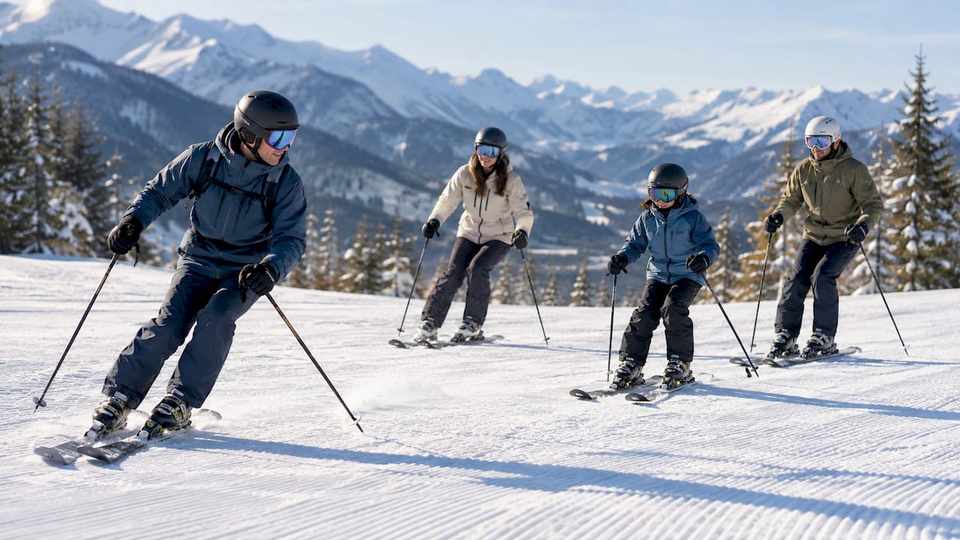
Multi-day lesson packages almost always beat booking single sessions. A five-day kids’ program bundled with lift access and sometimes lunch often costs less per day than five individual lesson bookings, and it gives a child the same instructor all week instead of a rotating cast.
For families with mixed skill levels, splitting the group, some in lessons, others skiing independently, often saves money over booking a private family lesson for everyone. Check whether the resort offers a “learn to ski” package that bundles rental gear, lift access, and lessons into one price; these packages are frequently discounted well below booking each piece separately, and they simplify the math considerably for a first-time family trip.
How Do You Budget for Unexpected Ski Trip Expenses?
Every ski trip budget needs room for costs that don’t show up until you’re already on the mountain. Equipment breaks. Weather closes lifts. Someone gets hurt.
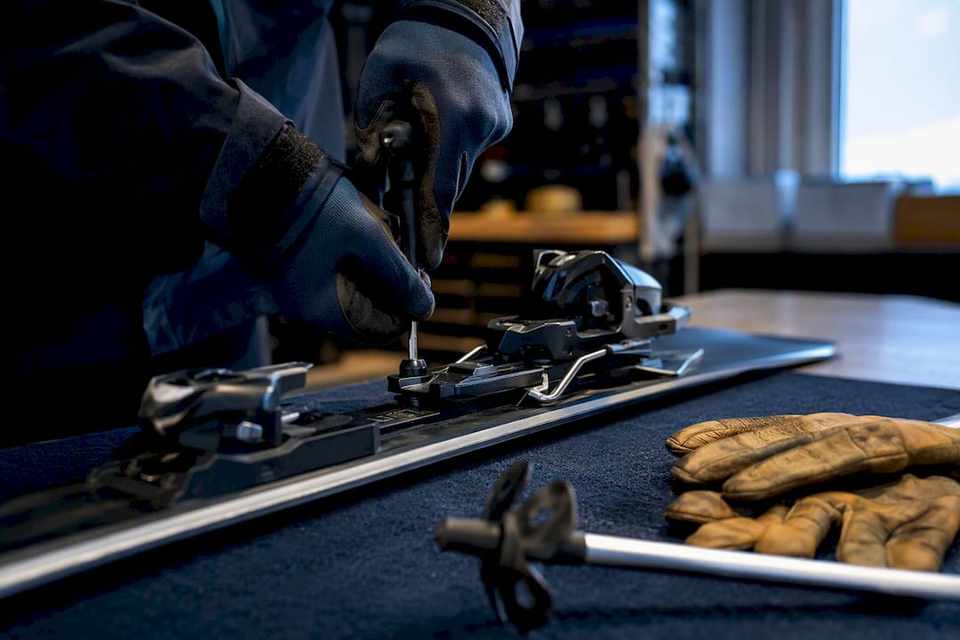
Equipment repairs are the most common surprise. A broken binding, a snapped pole, or a torn glove can run $20 to $100 to fix or replace on the spot, and resort shops charge a premium for same-day service compared to a hometown ski shop. Building a $50 to $100 equipment buffer into every trip covers most of these situations without derailing the budget.
Resort fees are the second surprise category. Parking, lockers, and even some lift ticket “processing fees” can add $10 to $30 per day that rarely appear in the headline lift ticket price. Read the fine print on a resort’s ticket purchase page before assuming the sticker price is the final price.
Medical costs are the largest potential surprise, and the one families most often underestimate. A ski injury requiring a ski patrol toboggan ride, an on-mountain clinic visit, or an ambulance transfer can run into the thousands of dollars depending on location and whether the visitor has travel or health insurance that applies at the destination. This is the exact gap travel insurance is designed to close, and it’s worth pricing before you travel rather than after an injury happens.
What Should You Know About Ski Trip Insurance Costs?
Two separate insurance questions apply to most ski trips: travel insurance for the trip itself, and equipment coverage for gear.
Travel insurance for a ski trip typically costs 4% to 10% of the total trip cost, and policies vary widely in what they actually cover. A basic trip-cancellation policy protects the money already spent on flights and lodging if the trip gets canceled, but it may not cover on-mountain medical costs or search-and-rescue fees unless you specifically add a “winter sports” or “adventure sports” rider. Skipping that rider to save a few dollars is one of the more common and costly mistakes first-time ski travelers make.
Equipment coverage is a separate line item. If you own gear worth $1,000 or more, a rider on a homeowner’s or renter’s policy, or a standalone gear insurance product, typically costs $50 to $150 per season and covers theft or damage. Rental gear usually comes with a damage waiver option at the counter, often $10 to $20 per day, which is worth buying if you’re not confident in your ability to avoid a crash that bends a ski or cracks a boot buckle.
For a family of four traveling internationally with owned equipment, budgeting $100 to $250 total for combined travel and gear insurance is a reasonable estimate, adjusted up if the trip involves backcountry access or heli-skiing, both of which require specialized coverage most standard policies exclude.
A Practical Take on Ski Trip Budgeting
The data makes one thing clear: timing beats destination as the lever most families overlook. Everyone fixates on choosing between Colorado and the Alps, but the bigger swing usually comes from choosing Tuesday over the Saturday of a school holiday week.
My recommendation for families weighing cost against convenience: pick the cheaper or closer region first, then spend the money you save on a better lodging setup or an extra day of lessons. A closer, less glamorous resort with a great condo and solid ski school beats a bucket-list destination squeezed into a rushed, overpriced peak week.
Between weather, equipment issues, and the occasional medical scare, that buffer is what keeps a good trip from becoming an expensive lesson in what you forgot to price.
— Eduard
Find a Ski Package That Actually Fits Your Budget
Every range in this guide is a starting point, not a final number, because your ideal trip depends on group size, skill level, and how much convenience you’re willing to pay for. A questionnaire can turn variables like group size, skill level, and convenience preferences into a short list of priced packages quickly, without requiring an account or an email address to see results.
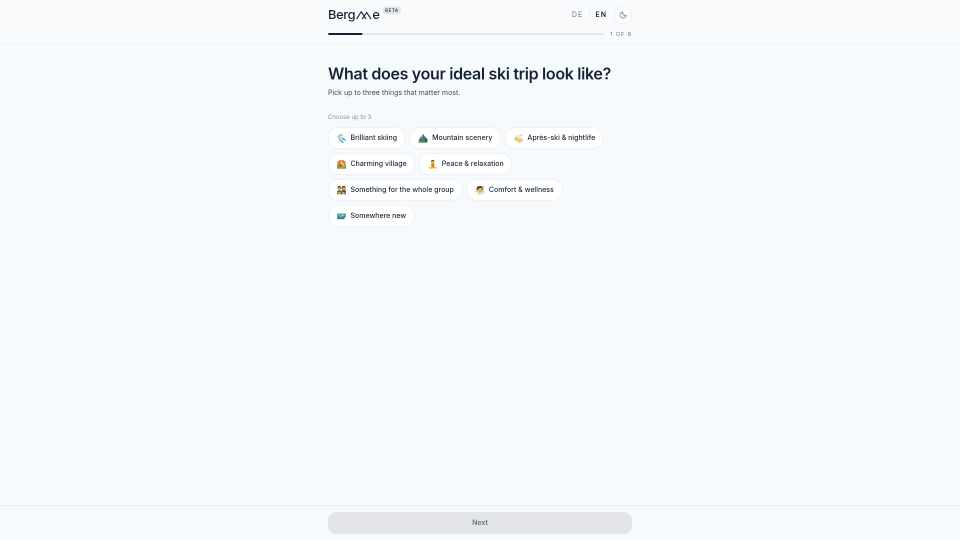
The New Year Ski Holiday in Interlaken with Hotel Bären shows what this looks like in practice: a bundled package covering lodging and a ski pass at a mid-range Alps resort, priced as one number instead of five separate line items you have to research yourself. Before starting a ski trip questionnaire, it helps to gather travel dates, the number of skiers, skill levels, and gear or luggage needs, as these details enable the matching engine to return packages fitting a budget rather than generic listings. Start the questionnaire and get a shortlist built around your numbers, not an average traveler’s.
Where to Check Live Ski Pricing
The estimates in this guide hold up well against current data, but resort prices shift every season. Before booking, verify current numbers against these sources:
- Niseko United’s lift and pass chart for peak, regular, and spring season pricing blocks
- Skiboulder’s lift ticket and rental data compilation for season pass comparisons including Epic and Ikon
- Erik Guay’s per-day cost breakdown for U.S. destination resort math
- SkiPlnr’s trip cost estimator for a quick region-by-region comparison tool
Sources
- How Much Does a Ski Trip Cost? Real Bills & Per-Day Math
- 2026-27 Niseko United All Mountain Pass | Niseko United
- How Much Does Skiing Cost in 2026? 50+ data points on lift tickets, gear rentals & gear
- How Much Does a Ski Holiday Cost in 2026? Real Numbers by Budget
FAQ
How much money do you need for a ski trip?
Budget $450 to $900 per person for a local long weekend, $1,400 to $3,000 for a five-day North American destination trip, and $1,000 to $4,000 or more per person for a full week abroad, depending heavily on region and timing.
How much is a 4-day ski trip in Colorado?
A four-day Colorado trip typically costs between $1,000 and $1,600 per person based on the $250 to $400 per person per day baseline for U.S. destination resorts with lift tickets, mid-range lodging, food, and a rental car or shuttle included.
Is it worth going skiing for four days?
Four days is often the sweet spot for value, since it’s long enough to justify the flight or drive but short enough to buy a discounted multi-day lift pass instead of paying full window price for single tickets each day.
How much is a 7-day ski holiday?
A seven-day ski holiday runs roughly €750 to €1,100 in a budget Eastern European destination, €1,400 to €2,200 in a mid-range Alps resort, and €3,000 to €5,000 or more at a premium Swiss, French, or North American resort. Bergme’s questionnaire can match a specific budget within that range to a priced weeklong package in a few minutes.